You must be logged in to record observations.
Short Description
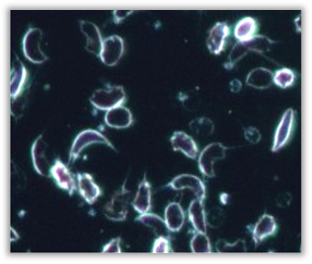
- Sickle cells are red blood cells that appear elongated, curved, or crescent-shaped rather than round. Instead of the usual flexible, disc-like form, these cells adopt a rigid, bent shape that can resemble a sickle or crescent.
- In live blood analysis, it is uncommon to observe sickle-shaped red blood cells. When they are present, they tend to stand out clearly due to their distinctive shape and reduced flexibility compared with surrounding cells.
- The appearance of sickle-shaped red blood cells reflects a significant alteration in red blood cell structure and behaviour, highlighting a blood environment where cell shape and deformability are markedly affected rather than subtly altered.
Appearance
- Sickle cells are red blood cells (RBCs) that have an elongated, curved shape with pointed ends. They are characteristic of sickle cell anaemia and can be observed under brightfield or darkfield microscopy. These cells differ from normal biconcave RBCs, appearing crescent or banana shaped.
Pleomorphic Perspective
- These forms develop as a result of consumption of the erythrocyte’s material by the endobiont. Sickle cells reflect an advanced stage of oxidative terrain stress and cellular degeneration. Microscopic examination often shows advanced endobiont phases within these damaged cells.
Medical Perspective
- Sickle cell disease is an inherited condition marked by crescent‑shaped RBCs and chronic anaemia. It results from the production of an abnormal haemoglobin variant, haemoglobin S. When oxygen levels are low or oxidative stress is present, RBCs deform into sickled shapes. This increases their fragility, leading to haemolysis, anaemia, and obstruction of microcirculation.
Relevance
- Sickle cells are not usually observed in normal live blood samples. Their presence is significant and indicates a genetic disorder of red blood cell synthesis known as sickle cell anaemia.
Implications
This anomaly is observed in patients suffering with sickle cell anaemia, a genetic disorder of red blood cell synthesis. The abnormal shape of the RBCs cause them to be less flexible, which results in a high degree of haemolysis. The haemolysis accounts for the actual anaemia of the disease. Although the bone marrow attempts to compensate by creating new red cells, it does not match the rate of destruction. Healthy red blood cells typically live 90-120 days, but sickle cells only survive 10-20 days.
Associated Symptoms
- Patients suffering with sickle cell anaemia usually experience symptoms due to the anaemia itself, due to vascular occlusion by sickle cells and due to the disease’s complications.
- Signs and Symptoms Related to Anaemia: fatigue; shortness of breath; dizziness; headaches; coldness in the hands and feet; paler than normal skin or mucous membranes; jaundice.
- Signs and Symptoms Related to Pain: Sudden pain throughout the body is a common symptom of sickle cell anaemia. This pain is called a sickle cell crisis. Sickle cell crises often affect the bones, lungs, abdomen and joints. These crises occur when sickled red blood cells block blood flow to the limbs and organs. This can cause pain and organ damage.
Interventions
Liver Protocol (where jaundice is observed):
- Avoid alcohol, caffeine, tobacco, saturated/animal fat, sugar, drugs, and non‑essential medication.
- Hepaton: 30 drops tincture 3× daily – may increase to 5 ml tincture 3× daily.
Supplements:
- Chelated Iron supplement (if iron deficiency is confirmed).
- Glutathione: Reduced glutathione is an important antioxidant in red cells whose depletion may contribute to the pathophysiology of sickle cell disease
- Omega‑3 supplement (1000–2000 EPA daily).
- Trace minerals: Bio‑Ionic Minerals
Working with
- This condition has a genetic basis and cannot be cured through nutritional intervention. However, anaemia can be managed, vascular occlusion risk minimised, and the severity of RBC sickling reduced by optimising antioxidant intake and hydration.
General Guidelines
- Increase water intake: Weight (kg) ÷ 8 × 0.25 = litres/day.
- Increase chlorophyll‑rich foods (chlorella, spirulina, wheat grass, barley grass, alfalfa, leafy greens).
- Include Blackstrap Molasses and raw vegetable juices (greens & beet), sprouts and superfoods.
- Avoid saturated fats, refined carbohydrates, alcohol, caffeine, sugar, and non‑essential medication.
- Vitamin B17 (Laetrile): Consume 24 raw organic apricot kernels as a preventative and 40 as therapy for sickle cell anaemia.
Functional Systems Influenced
Hematological
Sickle-shaped red blood cells represent a marked alteration in red blood cell structure and flexibility. This directly affects how red blood cells function within the bloodstream, particularly their ability to deform and circulate efficiently.
Circulation & Hydration
Red blood cells rely on adequate flexibility and fluid balance to move smoothly through small blood vessels. Rigid or elongated cell shapes may interfere with microcirculatory flow, especially when circulation conditions are less optimal.
Oxidative & Antioxidant Balance
Red blood cell membranes and internal structures are sensitive to oxidative influences. Reduced oxidative balance may contribute to increased cellular rigidity and altered cell shape persistence.
Metabolic
Metabolic processes support red blood cell maintenance, energy handling, and turnover. When metabolic balance is reduced, structurally altered red blood cells may persist longer within circulation.
Commonly Associated Terrain Imbalances
Acidic terrain
Shifts toward a more acidic internal environment can influence red blood cell behaviour and membrane stability, potentially encouraging rigid or distorted cell shapes.
Dehydration / plasma viscosity
Reduced plasma fluidity can increase cellular rigidity and place additional strain on red blood cells, making altered shapes more likely to persist during circulation.
Low antioxidant reserve
When antioxidant protection is limited, red blood cells may be less able to maintain structural flexibility in the face of everyday oxidative challenges.
Oxidative stress
Oxidative influences can affect red blood cell membranes and internal components, contributing to reduced flexibility and altered cell shape.
Supportive Focus & Awareness
-
Awareness of factors that support red blood cell flexibility and healthy circulation
-
Awareness of hydration and fluid balance, particularly in relation to microcirculatory flow
-
Awareness of oxidative balance and everyday influences on cellular resilience
-
Awareness of metabolic balance and its role in red blood cell maintenance and turnover
-
Awareness of energy levels, stamina, and recovery during periods of physical or environmental demand
Commonly Reported Experiences
- Some individuals whose blood patterns include sickle-shaped red blood cells report experiences commonly associated with reduced oxygen delivery or circulatory efficiency. These may include fatigue, shortness of breath, dizziness, headaches, or feeling unusually cold in the hands and feet. A paler appearance of the skin or mucous membranes, or changes in skin tone such as yellowing, are also sometimes described.
- Others report episodes of discomfort or pain that may come on suddenly and vary in intensity. These sensations can be widespread or localised and may affect areas such as the limbs, joints, chest, or abdomen. The timing and severity of these episodes can differ greatly between individuals.
It is important to note that these experiences are non-specific and may be influenced by many factors, including hydration, activity level, stress, and overall health. Their presence does not confirm a diagnosis and should always be considered in the broader context of individual circumstances and other observations.
Systems / Body Functions
Circulation & Hydration, Hematological, Metabolic, Oxidative & Antioxidant Balance
Imbalances
Acidic terrain, Dehydration / plasma viscosity ↑, Low antioxidant reserve, Oxidative stress ↑
- Sickle cells are red blood cells that appear elongated, curved, or crescent-shaped rather than round. Instead of the usual flexible, disc-like form, these cells adopt a rigid, bent shape that can resemble a sickle or crescent.
- In live blood analysis, it is uncommon to observe sickle-shaped red blood cells. When they are present, they tend to stand out clearly due to their distinctive shape and reduced flexibility compared with surrounding cells.
- The appearance of sickle-shaped red blood cells reflects a significant alteration in red blood cell structure and behaviour, highlighting a blood environment where cell shape and deformability are markedly affected rather than subtly altered.
These forms develop as a result of consumption of the erythrocyte’s material by the endobiont. Sickle cells reflect an advanced stage of oxidative terrain stress and cellular degeneration. Microscopic examination often shows advanced endobiont phases within these damaged cells.
 Disclaimer