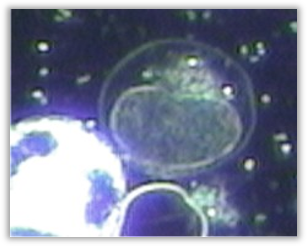
Indicators of Active Antibody Production & Chronic Immune Activation
Appearance
Plasma cells are activated, differentiated lymphocytes that appear when the immune system is actively producing antibodies. In live blood, plasma cells typically show:
- A larger amount of cytoplasm compared to normal lymphocytes
- A “fried-egg appearance”
- Cytoplasm may appear darker or more textured
- Nucleus may be eccentric (off-centre)
- More pronounced perinuclear halo
They are often confused with monocytes by beginners, but plasma cells are smaller and more uniform.
Meaning & Implications
An increased appearance of plasma cells in live blood is associated with:
A) Chronic Infection
Plasma cells indicate the immune system is actively producing antibodies, commonly seen in:
- Chronic viral infections
- Chronic bacterial or mycoplasma infections
- Persistent sinus or respiratory infections
- Long-standing systemic inflammation
B) Autoimmune Activity
Elevated plasma cell production may reflect autoimmune activation:
- Hashimoto’s
- Rheumatoid arthritis
- Lupus
- Sjögren’s
- Mixed connective tissue disease
C) Gut-Associated Lymphoid Tissue (GALT) Activation
Because 70% of the immune system surrounds the digestive tract:
- Dysbiosis
- Candida overgrowth
- Leaky gut
- Chronic GI inflammation
can all drive plasma cell elevation.
D) Malignancy Red Flags
Rarely, very high circulating plasma cells may relate to:
- Multiple myeloma
- Waldenström macroglobulinemia
- Other plasma-cell dyscrasias
(Requires immediate medical investigation)
Interventions – Plasma Cells
Chronic Immune Activation Protocol
- Immucil + HumiCaps + NeoFlora
- Vitamin C (2 g twice daily)
- Zinc
- NAC
- Glutathione 500
- Omega-3 (EPA/DHA)
For Autoimmune Suspicion
- Identify triggers: gluten, dairy, stress, viral load
- Consider ANA panel
- Reduce inflammatory foods
- Increase detoxification support
- Gentle adrenal support (B-vitamins, magnesium)
Digestive Support (very important)
- Probiotics (NeoFlora)
- Digestive enzymes with meals
- Anti-Candida if needed (Cancecl + HumiCaps)
General Guidelines
- Increase hydration
- Reduce caffeine, sugar, alcohol
- Increase plant-based foods
- Prioritise sleep
Further Investigations
- ANA + ENA panel
- Viral serology
- FBC + differential
- Serum protein electrophoresis (if malignancy suspected)
- ESR/CRP
- Stool microbiology
Vitamin D levels
 Disclaimer