Appearance
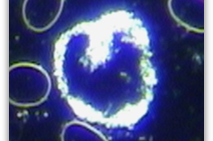
Metamyelocytes are immature neutrophils, more developed than myelocytes but not yet mature. They show:
- Kidney-shaped (indented) nucleus
- Nucleus NOT segmented — this is key
- Abundant granular cytoplasm
- Slightly smaller than myelocytes, but larger than mature neutrophils
- Often seen during strong immune activation
They resemble a transitional stage between myelocytes and band neutrophils.
Meaning & Implications
Metamyelocytes indicate that the body is responding to a significant immune challenge.
A) Acute Bacterial Infection
The most common cause — the marrow releases immature neutrophils when demand is high.
B) Severe Inflammation
Such as:
- Pneumonia
- Cellulitis
- Appendicitis
- Acute sinus or lung infections
C) Bone Marrow Activation / Stress
The marrow is “pushing out” cells early to meet the immune demand.
D) Nutritional Deficiencies
Especially deficiencies that impair maturation:
- B12
- Folate
- Iron
E) Haematological Disorders (rare but possible)
- Myelodysplasia
- Leukemia
- Myeloproliferative disorders
Functional Interpretation
Metamyelocytes indicate a left shift, meaning:
- The immune system is highly active
- More immature cells are released early
- There is heightened inflammatory or infectious demand
Clients often present with:
- Fever
- Infection symptoms
- Swollen lymph nodes
- Significant fatigue
- Digestive or respiratory inflammation
Interventions
Immune Activation Support
- Immucil
- Vitamin C (2 g twice daily)
- Zinc
- Glutathione 500
- NAC
- Omega-3
Bone Marrow Support
- Methyl-B12
- Methyl-folate
- Mineral support (zinc, magnesium)
- Adequate dietary protein
Reduce Systemic Inflammation
- Curcumin
- Astaxanthin
- Quercetin
General Guidelines
- Increase hydration
- Reduce alcohol
- Improve sleep quality
- Anti-inflammatory diet (greens, berries, omega-3 foods)
- Reduce sugar & processed foods
Further Investigations
- FBC + ESR
- CRP
- Peripheral smear
- Viral/bacterial antibody screens
- B12/Folate/iron status
Bone marrow evaluation (if persistent or unexplained)
 Disclaimer