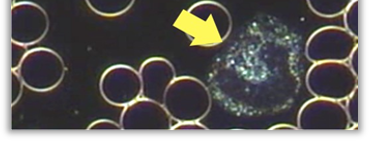
Sentinel Cells Reflecting Chronic Inflammation & Tissue Repair
Appearance
Monocytes are the largest white blood cells. They exhibit:
- An abundant pale-grey cytoplasm
- A large, bean-shaped or kidney-shaped nucleus
- Fine granules (much finer than those in neutrophils or eosinophils)
- A smooth, calm appearance
Monocytes are typically easy to distinguish from:
- Lymphocytes (smaller, darker nucleus, less cytoplasm)
- Neutrophils (segmented nucleus)
- Eosinophils/basophils (granular)
Increased Monocytes (Monocytosis)
Monocytes increase in conditions involving chronic inflammation, tissue repair, and persistent infection.
A) Chronic Infections
- TB
- Syphilis
- Subacute bacterial endocarditis
- Mycoplasma
- Fungal infections
B) Autoimmune Disorders
- Rheumatoid arthritis
- Lupus
- Ulcerative colitis
- Crohn’s disease
C) Chronic Inflammatory States
- Atherosclerosis
- Chronic fatigue syndrome
- Chronic digestive inflammation
D) Recovery Phase of Infection
Monocytosis is commonly seen when neutrophils decline after acute infection.
E) Haematological Disorders
- Leukemia (monocytic variants)
- Myeloproliferative disorders
Functional Interpretation
Monocytes represent:
- The body’s long-term cleanup crew
- The transition from acute → chronic immune activity
- The presence of tissue damage, inflammation, or immune repair processes
A high monocyte count in live blood is one of the strongest indicators that inflammation has been present for some time or that the immune system is transitioning from acute stress.
Decreased Monocytes (Monocytopaenia)
Causes
- Corticosteroid therapy
- Stress and adrenal strain
- Bone marrow suppression
- Severe acute infection
- Chemotherapy
- Chronic immune weakness
Meaning
A low monocyte presence can reflect:
- Poor long-term immune response
- Exhausted immune reserves
- Suppressed tissue-repair mechanisms
Interventions – Monocytes
Chronic Inflammation Protocol
- Omega-3 (EPA/DHA)
- Glutathione
- NAC
- Astaxanthin
- Curcumin
- Zinc
Autoimmune Support
- Reduce inflammatory foods
- Gut healing protocol (NeoFlora + enzymes + glutamine-based foods)
- Identify chronic triggers
Immune Rebuilding
- Vitamins C, D, and zinc
- Adequate sleep
- Stress reduction
General Guidelines
- Hydration (weight in kg ÷ 8 × 0.25)
- Reduce alcohol and caffeine
- Increase greens and antioxidant-rich foods
- Moderate exercise
Further Investigations
Viral and bacterial antibody tests
FBC + differential + ESR
CRP
Thyroid panel
Autoimmune screening
Stool microbiology
 Disclaimer