What This Session Is — and What It Is Not
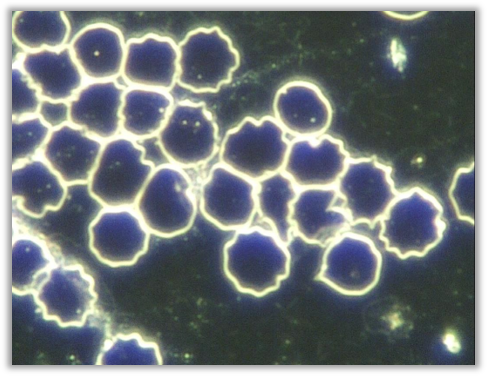
A live blood observation offers a real-time view of how your blood is behaving in its current environment.
We look at:
- how red blood cells move, interact, and adapt
- how the surrounding fluid appears
- how cells respond to changing conditions
This provides a snapshot of adaptation, not a judgement or diagnosis.
What this session does not do
It’s important to be clear about boundaries.
This session does not:
- diagnose illness
- identify diseases
- replace medical tests
- determine causes
- tell you what treatment you need
Instead, it focuses on observation and awareness.
Why we use the word “patterns”
Blood is dynamic. It responds to hydration, stress, recovery, digestion, sleep, and many other everyday influences.
For that reason, we describe what we see as patterns, not problems.
Patterns:
- can change
- often fluctuate
- reflect how the body is adapting at the moment
- are not permanent states
What does “a more demanding environment” mean?
You may hear phrases like:
“The internal environment appears more demanding.”
This does not mean something is wrong.
It means:
- cells may be working harder than usual
- conditions are less supportive than ideal right now
- the body is actively adapting
This is a normal biological response, not a warning.
Why we don’t give causes
Blood patterns are influenced by many factors at once, and it’s rarely accurate — or helpful — to single out one cause.
Because of this:
- we don’t personalise explanations
- we don’t attribute patterns to specific organs or conditions
- we don’t speculate
Our role is to explain how blood responds, not why it does so in one individual.
Does this mean I should worry?
No.
These observations are:
- descriptive, not predictive
- informative, not alarming
- reversible, not fixed
Their value lies in awareness, not concern.
Can patterns change?
Yes — and often they do.
Blood is one of the most responsive tissues in the body.
As internal conditions change, blood behaviour commonly changes with them.
This is why some people choose to observe patterns over time, while others are satisfied with a single session.
Both approaches are valid.
Why we don’t tell you what to do
This session is not about instruction.
We don’t:
- prescribe
- recommend supplements
- give protocols
- direct lifestyle changes
Instead, we aim to:
- support understanding
- encourage informed personal choice
- respect individual autonomy
If you are seeking specific medical or therapeutic guidance, that is best explored with an appropriately qualified healthcare professional.
How to use this information
Think of this session as:
- a mirror, not a verdict
- a snapshot, not a story
- a tool for awareness, not a rulebook
Many people find that simply understanding how their body adapts helps them make choices that feel right for them.
A final word
“This work is about observation, not interpretation — and awareness, not authority.”
Your blood tells a story of adaptation.
Our role is to help you understand the language — not to decide what it means for your life.
 Disclaimer